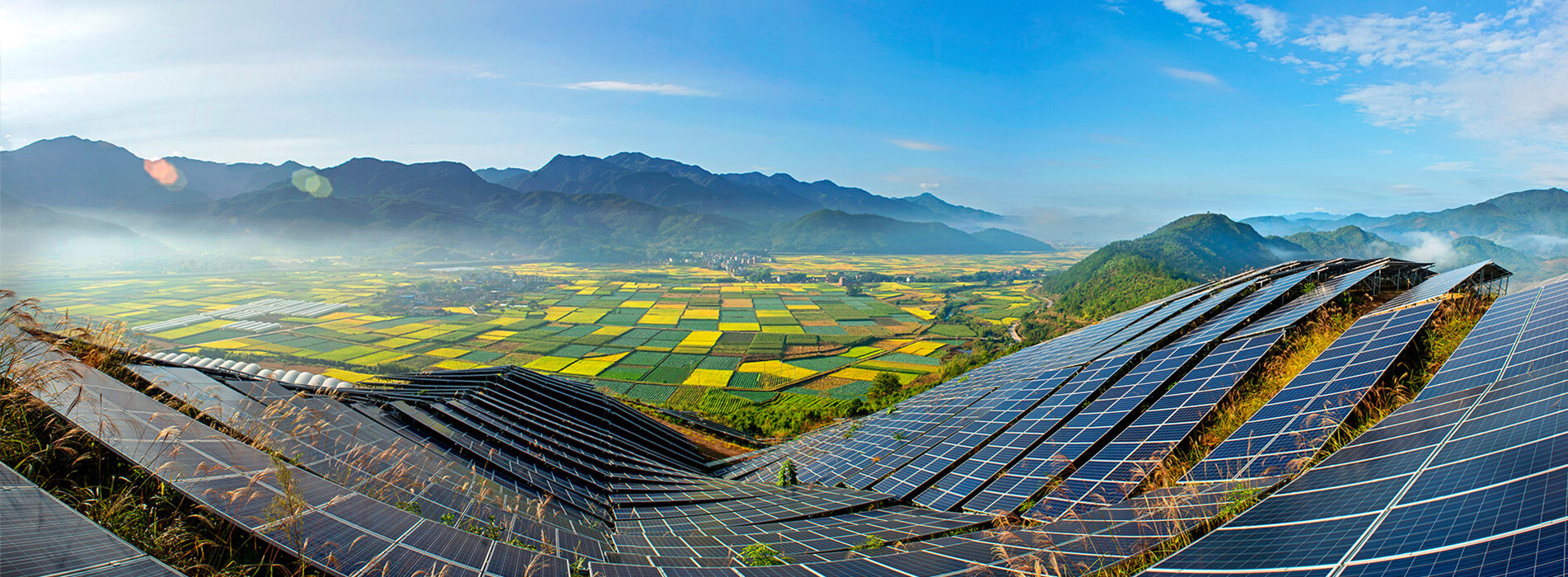
Most solar project owners focus heavily on panel efficiency, inverter quality, and system sizing when planning a PV installation. Yet the solar mounting system — the structural backbone that holds every module in place — often ends up as an afterthought. In reality, your mounting solution dictates your project’s power output, structural safety, maintenance costs, and 25+ year service life.
There is no universal “best” solar mounting system. The right choice always depends on your site conditions, local climate, project type, budget, and long-term operational goals. Whether you’re working on a residential rooftop, commercial building, or utility-scale ground plant, this step-by-step guide will help you select the most suitable solar mounting system for your project.
1. Start With Your Installation Site & Structure Type
The first rule of solar mounting selection: match your brackets to your installation environment. Different sites require completely different structural designs and foundation solutions.
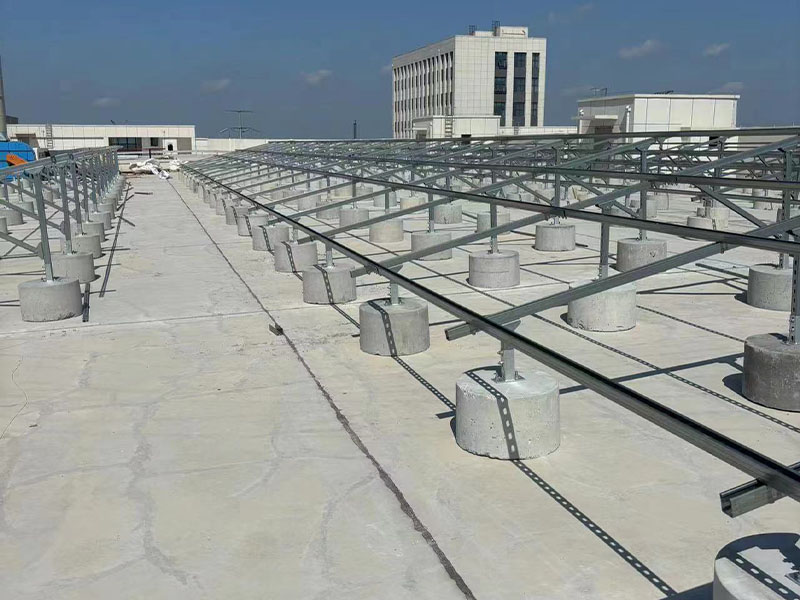
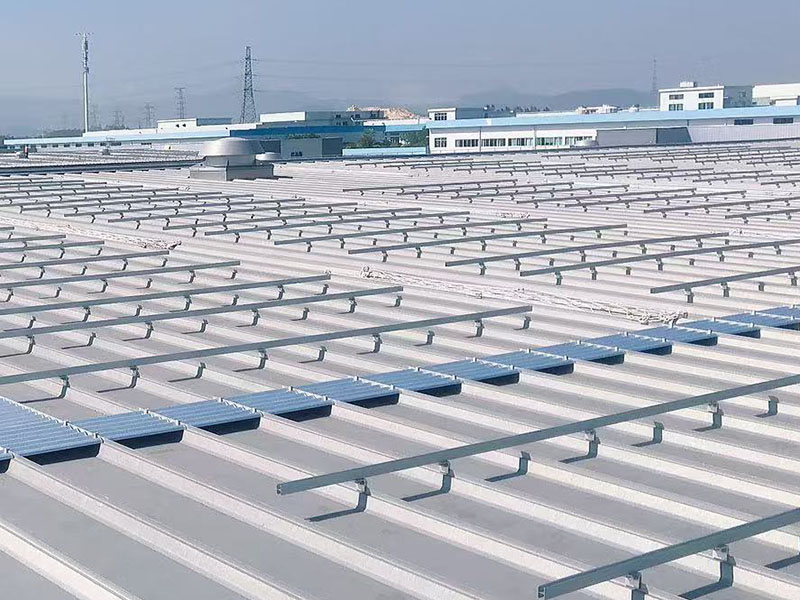
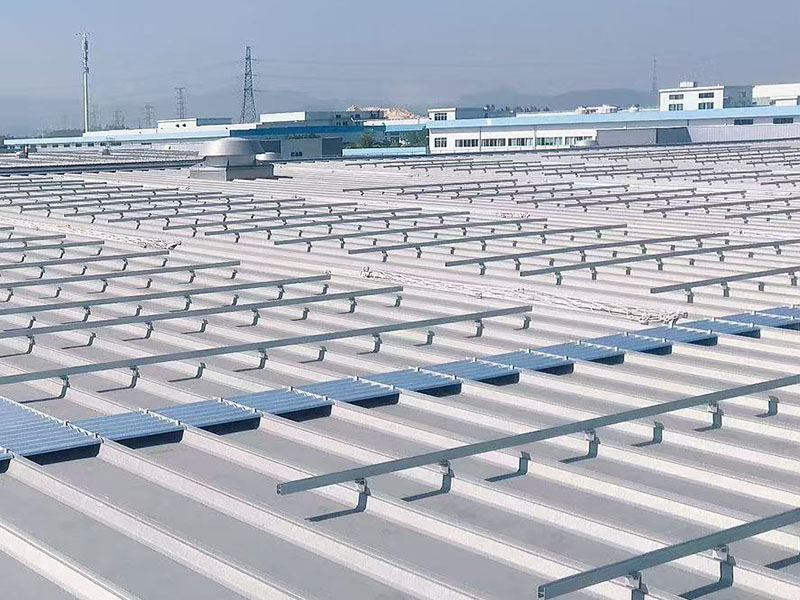
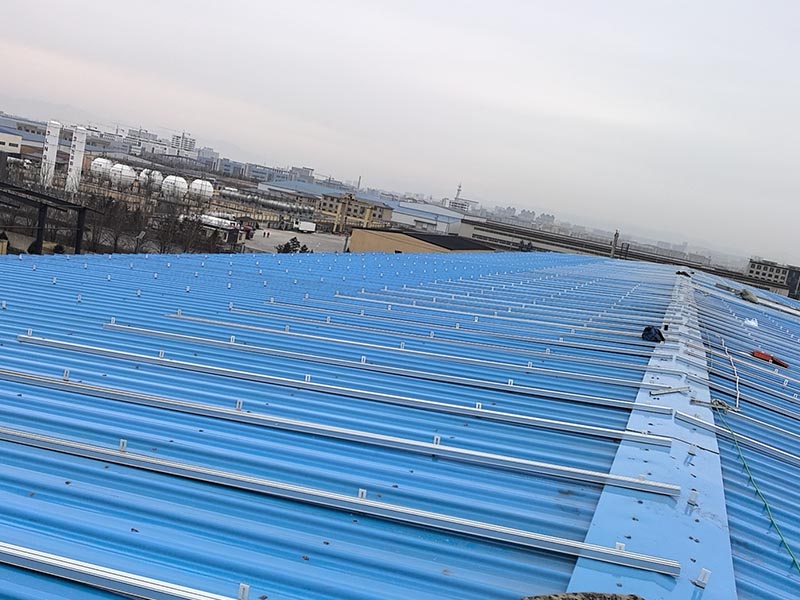
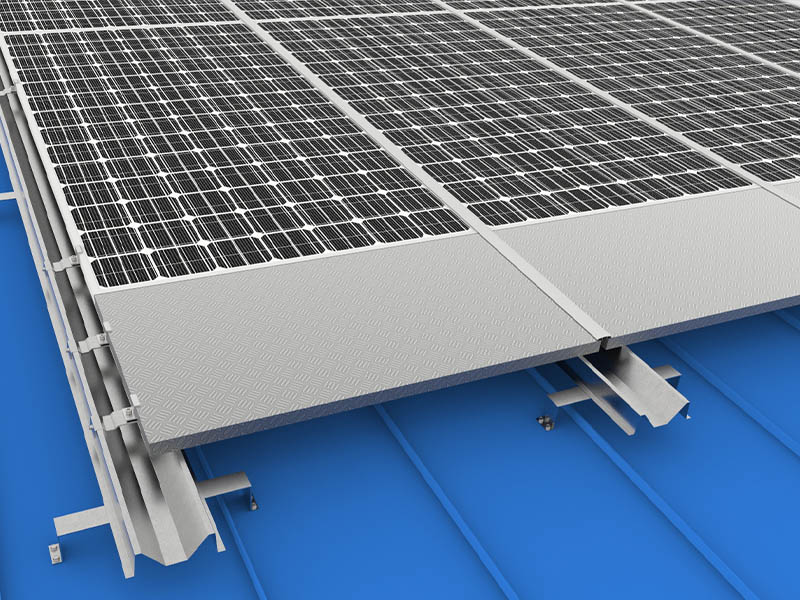
Rooftop installations prioritize space-saving and non-destructive installation. Pitched tile roofs usually adopt roof hook systems that avoid drilling damage and prevent leakage. Flat concrete roofs commonly use ballasted or non-penetrating rail mounts to protect roof waterproofing layers. Metal standing-seam roofs rely on specialized clamps that grip the roof profile without perforation.
Before finalizing any design, always confirm the building’s load-bearing capacity. Older buildings or lightweight roofs may require structural reinforcement to meet safety standards.
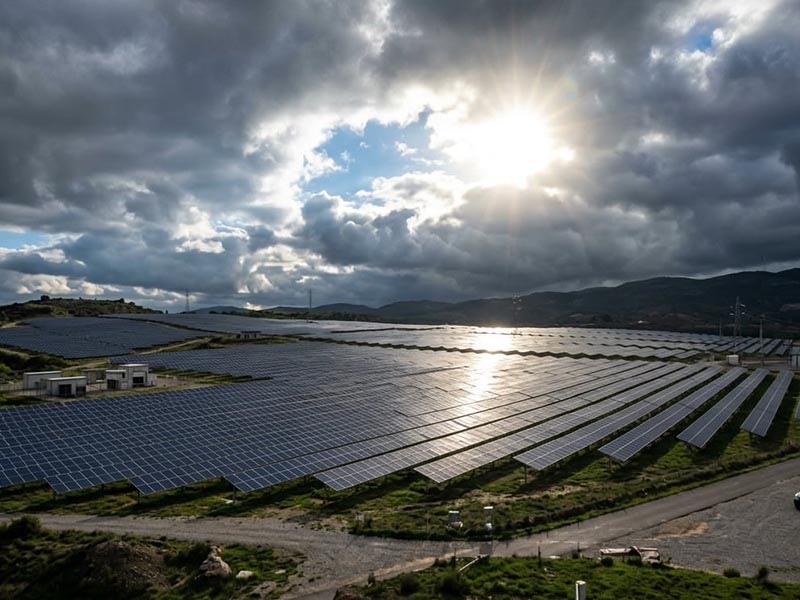
Ground systems offer flexible layout and easier maintenance. For flat soft soil sites, driven pile foundations deliver fast installation and stable performance. For rocky, hard soil, or mountainous terrain, ground screws or concrete footings are more reliable. Sloped land requires customized adaptive brackets to keep the module array flat and evenly positioned.
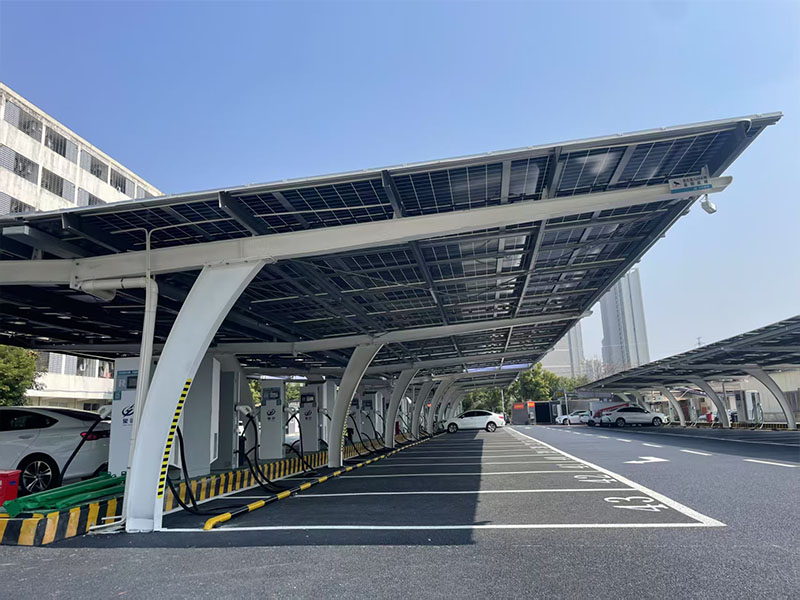
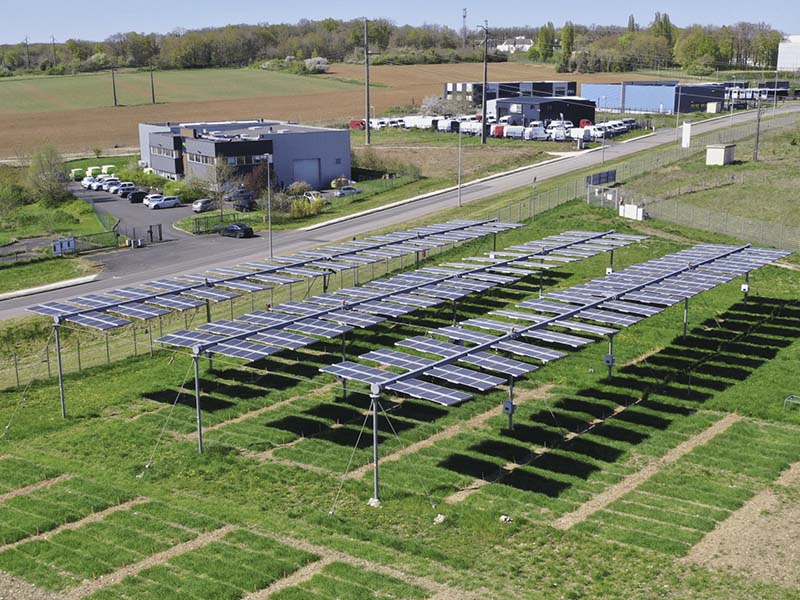
For carport solar, agrivoltaic farms, and floating solar projects, you need dedicated mounting structures optimized for shading compatibility, crop growth space, or water environment corrosion resistance.
2. Align With Local Climate & Environmental Loads
Weather conditions are one of the most decisive engineering factors for mounting systems. A solution that works for inland plain areas may fail in typhoon-prone coasts or heavy-snow northern regions.
High-corrosion areas: Coastal salt spray, industrial pollution, and high humidity demand high-grade corrosion-resistant materials to prevent rust and structural aging.
Always ask suppliers for professional wind and snow load calculation reports to ensure full compliance with local building codes.
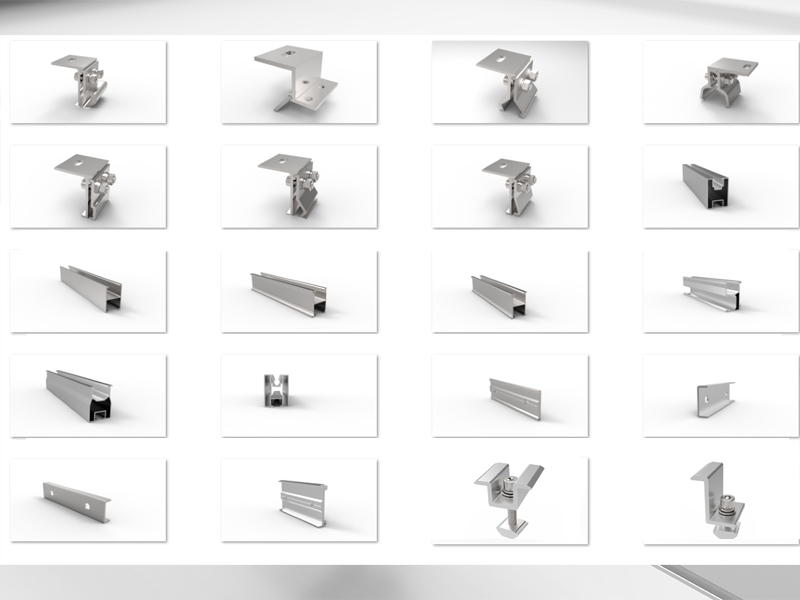
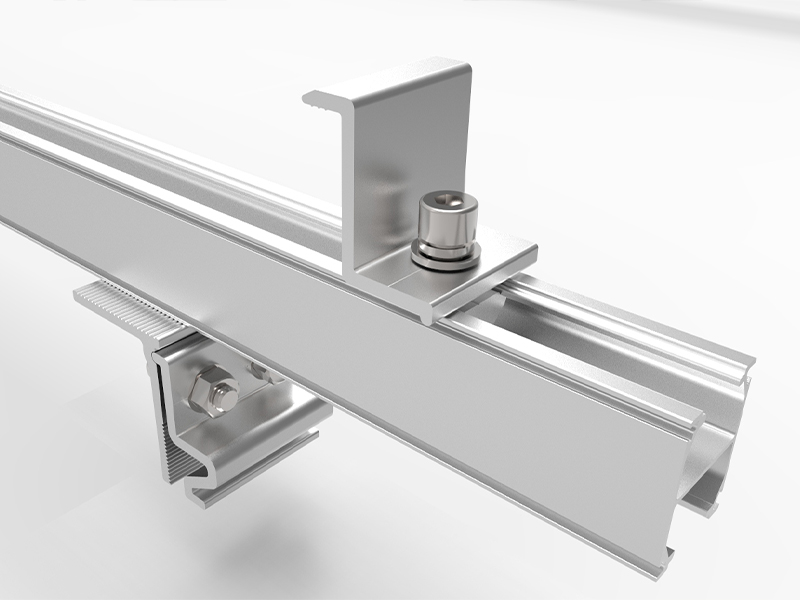
Mounting material directly determines your system's lifespan, stability,and maintenance frequency. The three mainstream materials each have clear application scenarios.
Anodized Aluminum Alloy: Lightweight, anti-oxidation, andzero-maintenance. Ideal for most residential and commercialrooftop projects. It balances performance and cost with a cleanappearance.
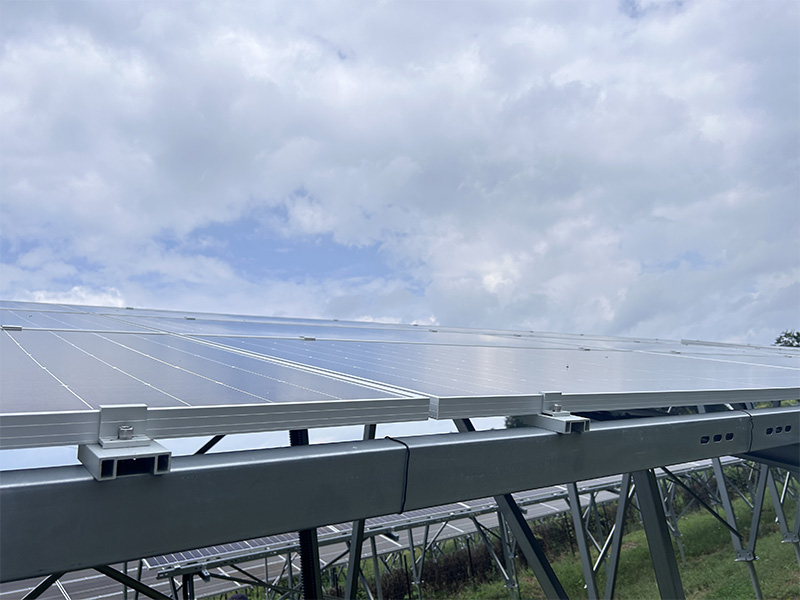
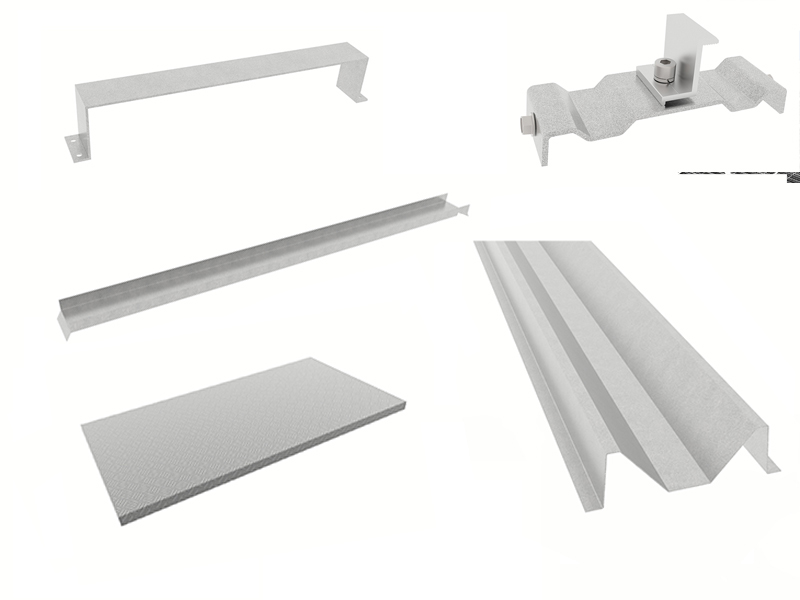
Hot-Dip Galvanized Steel: High structural strength and superiorload capacity. Best for large ground power stations and harshweather environments where stronger support is required.
Stainless Steel Accessories: Extremely corrosion-resistant,mainly used for bolts and connection parts in coastal and high-pollution areas to avoid loose connections caused by rust.
Never compromise on material quality for lower upfront costs. Inferior materials lead to rust, deformation, and safety hazards within several years, greatly shortening your PV system’s service life.
--
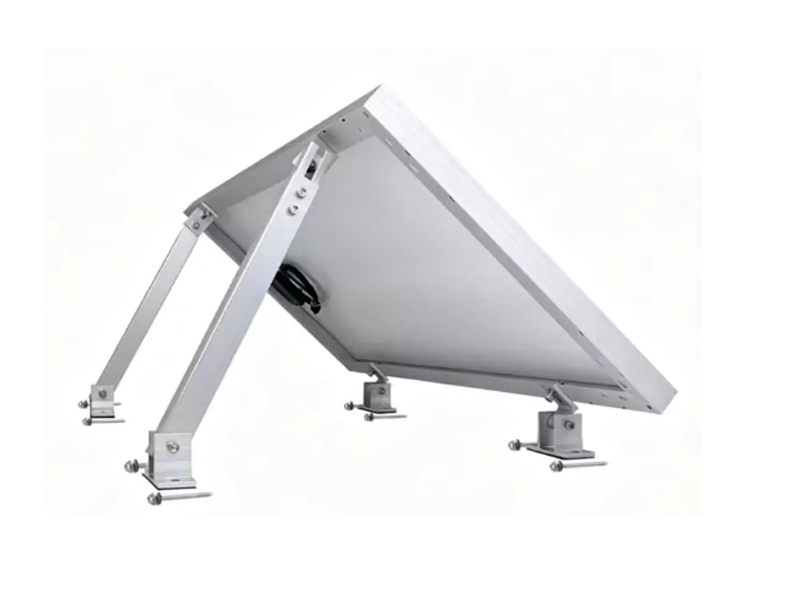
Your mounting system's angle adjustment mode directly affects solarirradiance absorption and annual power generation output. You canchoose according to your project's yield expectations and budget.
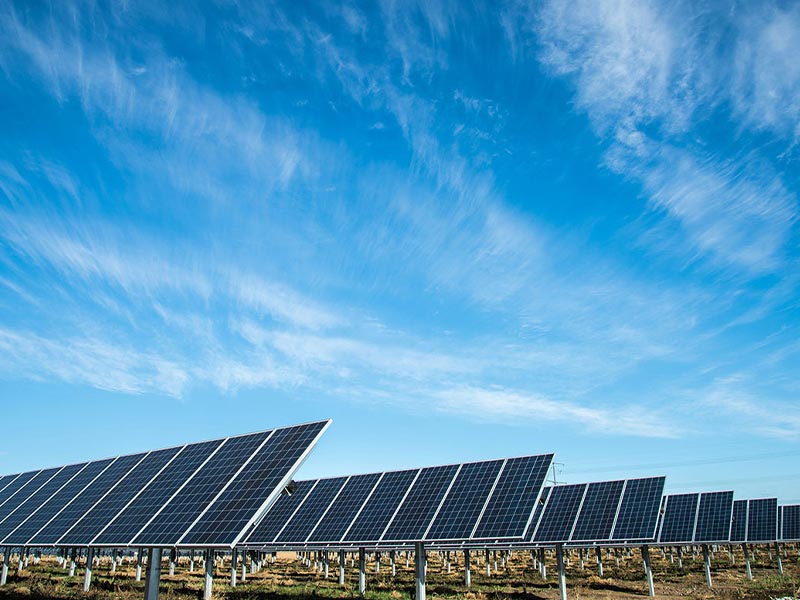
Fixed-Tilt Mounts: The most cost-effective and stable option.Pre-set the optimal local installation angle to capture maximumannual sunlight. Perfect for budget-sensitive residential and smallcommercial projects.
Seasonal Adjustable Mounts: Allow manual angle adjustmentin different seasons to adapt to solar altitude changes, boostingpower generation by 5%-10% with limited extra cost.
Solar Tracking Mounts: Automatically follow the sun'strajectory. Single-axis trackers significantly improve sunlightutilization, while dual-axis trackers achieve the highest poweryield. Suitable for large ground power stations pursuing maximumlong-term.
5. Evaluate Total Cost Instead of One-Time Price
Many project owners make a common mistake: choosing thecheapest mounting solution upfront. In fact, solar mounting costevaluation should focus onTotal Cost of Ownership (TCO), not
initial investment.
High-quality standardized mounting systems feature modular design,precise sizing, and easy installation, which greatly save labor costsand construction time. Their excellent durability eliminates frequentmaintenance, repair, and replacement expenses over 25-30 years.
Low-cost inferior brackets may cut initial spending but bring hidden
risks: structural aging, power generation loss, repeated maintenance,and even safety accidents. In the long run, qualified mounting
solutions always deliver better economic benefits.
Choosing the right solar mounting system is not a simple purchasing decision — it is a core engineering choice that determines your PV project’s full-cycle performance and return. The ideal solution should perfectly match your site conditions, adapt to local climate loads, adopt durable materials, fit your power generation goals, and comply with regional standards.
Hotline +8615859279267
E-mail info@xmroi.com
Address No.1504, Building B08, Phase lll, Software Park, BRlCS Future Innovation Park, Chengyi North Street, Jimei District, Xiamen, China.



Tel : +8615859279267
Email : info@xmroi.com
No.1504, Building B08, Phase lll, Software Park, BRlCS Future Innovation Park, Chengyi North Street, Jimei District, Xiamen, China.
Tel: +8615859279267 Email: info@xmroi.com

 +8615859279267