Introduction
Choosing the right solar mounting system manufacturer is one of the most important decisions for any PV project. The mounting structure may represent only a portion of the total solar investment, but it plays a critical role in supporting modules safely for 25–30 years.
A reliable solar mounting supplier should provide more than just products. They should offer engineering support, quality materials, certifications, technical documentation, and solutions that match your project conditions.
Before placing an order, asking the right questions can help you avoid costly installation issues, delays, and structural risks.
This guide covers the key questions every EPC contractor, solar installer, distributor, and project developer should ask a solar mounting system manufacturer.
1. What Type of Solar Mounting Systems Do You Manufacture?
The first step is confirming whether the manufacturer has experience with your specific project type.
Ask:
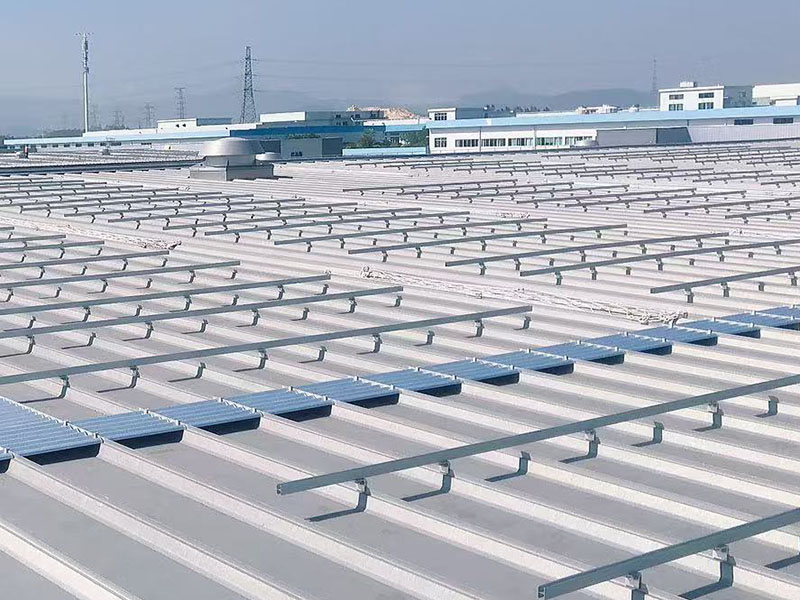
· Do you manufacture rooftop mounting systems?
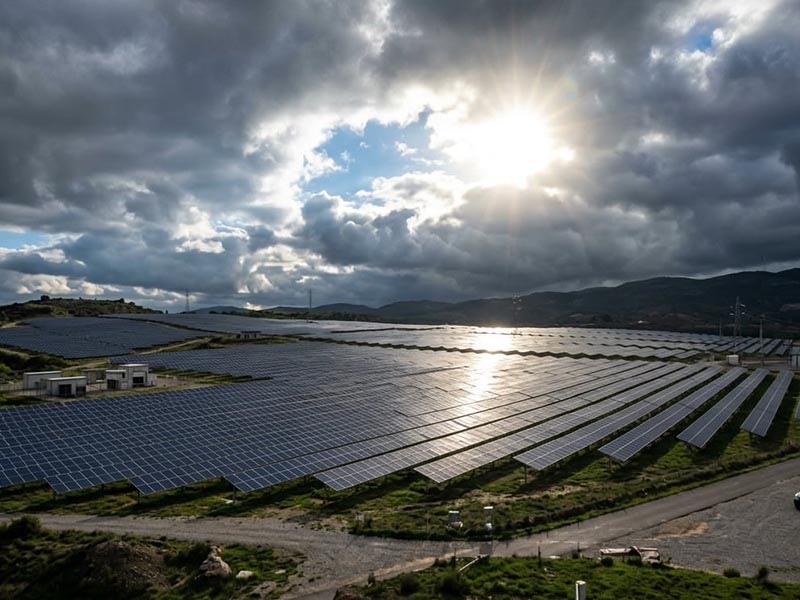
· Do you provide ground-mounted solar structures?
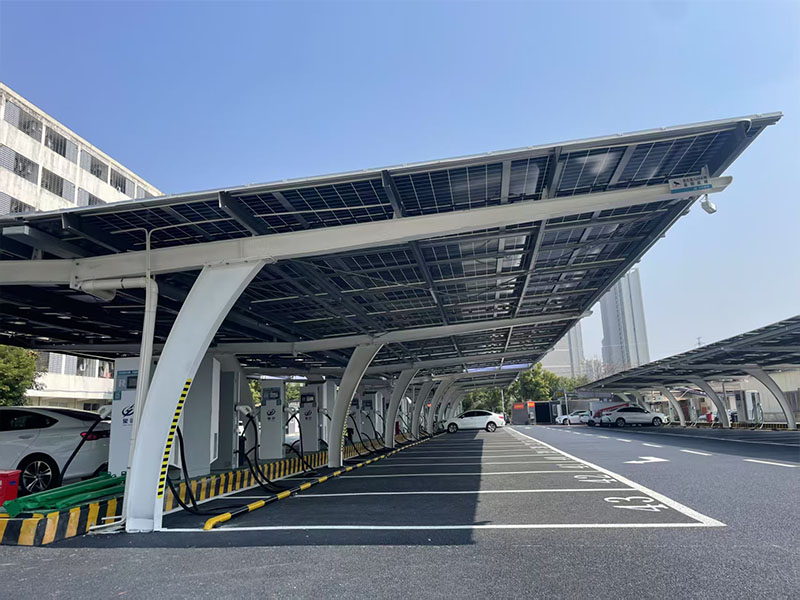
· Do you produce solar carport mounting systems?
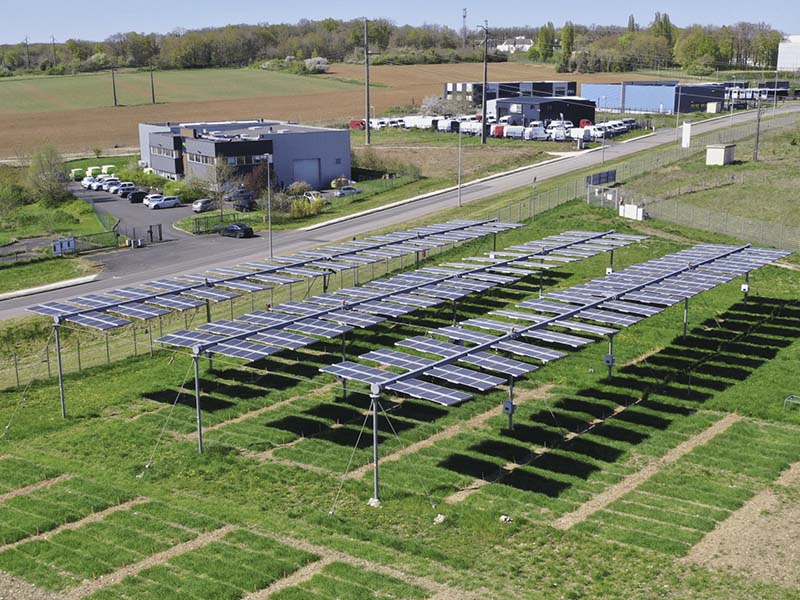
· Do you offer agricultural PV mounting solutions?
· Do you support commercial and utility-scale projects?
Different applications require different designs.
For example:
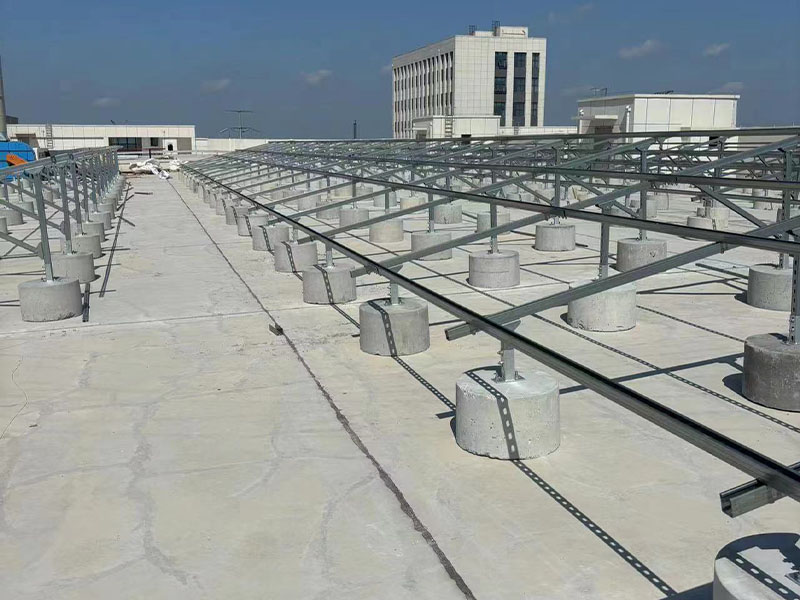
Rooftop Systems
Require:
· Lightweight structures
· Roof compatibility
· Waterproofing considerations
· Wind uplift calculations
Ground Mount Systems
Require:
· Foundation design
· Soil analysis
· Higher structural strength
Solar Carports
Require:
· Vehicle clearance
· Waterproof canopy design
· Integration with EV charging systems
A manufacturer with experience in your application can reduce design risks.
2. What Materials Do You Use for Your Solar Mounting Structures?
Material quality directly affects system lifespan.
Ask the manufacturer:
· What grade of aluminum do you use?
· What type of steel is used?
· What is the corrosion protection method?
· How thick is the material?
· What is the expected service life?
Common materials include:
Aluminum Alloy
Advantages:
· Lightweight
· Corrosion resistant
· Easy installation
Common grades:
· AL6005-T5
· AL6063-T5
Carbon Steel
Advantages:
· High strength
· Suitable for large projects
Common protection:
· Hot-dip galvanization
· Zinc coating
For harsh environments such as coastal areas, corrosion resistance is especially important.
3. Can You Provide Structural Calculations?
A professional solar mounting manufacturer should provide engineering support.
Ask:
· Do you provide structural calculations?
· Who performs the engineering design?
· Are calculations based on local standards?
· Can you customize designs for specific wind and snow conditions?
Important calculation factors include:
· Wind speed
· Snow load
· Seismic requirements
· Module dimensions
· Installation height
· Foundation conditions
A standard design may not be suitable for every project location.
4. What Certifications and Test Reports Do You Have?
Certifications demonstrate product reliability and manufacturing quality.
Ask for:
· Material test reports
· Structural calculation reports
· Factory quality certificates
· Product test reports
· Compliance documents
Depending on your market, common standards may include:
· ASCE 7 (USA)
· Eurocode
· AS/NZS standards
· ISO quality management standards
For international projects, documentation is essential for approvals and inspections.
5. What Solar Panels Are Compatible With Your Mounting System?
Not every mounting system fits every module.
Ask:
· Which module sizes are supported?
· Are the clamps compatible with my panel frame?
· Can you support thin-film or bifacial modules?
· Are your components compatible with different module manufacturers?
Important module factors:
· Frame thickness
· Clamp area
· Module length and width
· Installation orientation
<span s